Training for teams
Stress regulation and nervous system tracking for frontline workers using the latest trauma-informed neuroscience
THE PROBLEMWhy the standard stress training isn’t enough
For the educator or clinician
Frontline work is unpredictable, complex, and fast-moving. The standard training gave you cognitive strategies to manage our work stress: reframe, problem-solve, stay calm. That works when stress is mild. But when your nervous system flips into survival mode, those strategies fail. You can't think your way back. And when you're hijacked, you can't be the clinician, teacher, or worker you trained to be.
For the client or student
Most approaches assume your client has access to their thinking brain when they get upset, dysregulated or impulsive. Problem-solving. Insight. Making positive choices. But if they're in survival mode, that access is gone. What looks like defiance, poor choices, or lack of motivation is often a nervous system hijack. The body pulled the switch before they had a say.
For children and young people
Their nervous systems are still developing. They have less capacity to self-regulate and more dependence on adults to help them. When a child or young person is triggered into survival mode, they don't have the brain architecture to think their way back. They need a regulated adult to borrow from. And if the adults around them are also triggered, there's no one to calm them.
-
Working on the frontline means you get triggered. Not because you're weak or untrained, but because that's how nervous systems work in high-stakes environments. And this accumulates. Over months and years, it becomes burnout. Vicarious trauma. Moral injury. The standard training didn't prepare you for this because it didn't teach you how the survival response actually works.
-
When you're triggered, you can't help regulate your clients. You have to be calm and regulated yourself before you can help them manage their overwhelm. The complexity coming through the door requires a regulated brain. A hijacked one just reacts.
-
Standard approaches talk to the brain. But the brain isn't running the show. If your client or student is in survival mode, insight-oriented therapy, behaviour management, and positive choices interventions won't land. You're talking to a brain that's offline.
-
Many of the approaches are reverse engineered from adult research with little guidance on how to adapt them for developing brains.
-
Because the body pulls the switch, we have to learn to track stress and talk directly to the body. Regulate first. Then the cognitive faculties come back online, and real work can begin.
THE PIVOTIf the body pulls the switch on survival mode,…
we have to learn to work with the body. That means tracking stress states in real time, knowing when the hijack has happened, and using body-first tools to regulate back before we try to think, teach, or treat.
This is the Tracking Better approach: nervous system literacy as a practical, technical skill.
And it’s build for you, the remote worker, so you can keep your cool as you figure out what to do with the complexity the walk your way.
So we have to change the approach ...
So we have to change the approach ...

THE SOLUTIONWhat your team will learn
A practical framework for reading stress states and knowing what to do. Body first, then brain. For yourself, your clients, and the young people in your care.
Track survival mode triggering
Learn to spot the survival animals waking up. Each stress state has a signature pattern. When you can name the animal, you know the survival mode hijack is underway and what to do.
-
FIGHT
Controlling Tassie Devil (agro/controlling)
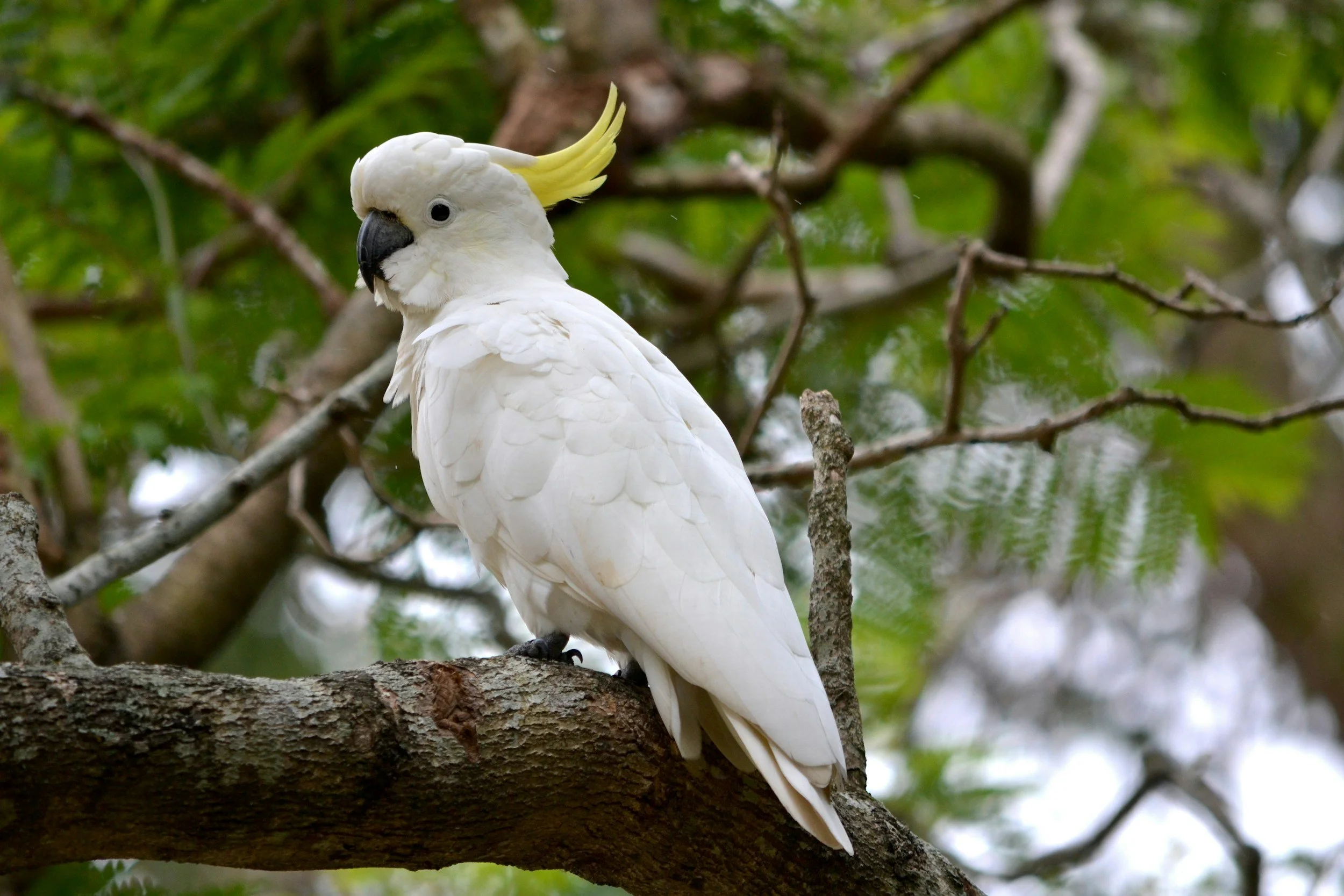
Squawking Cockatoo (complaining)
Velcro Possum (clinging)FLIGHT
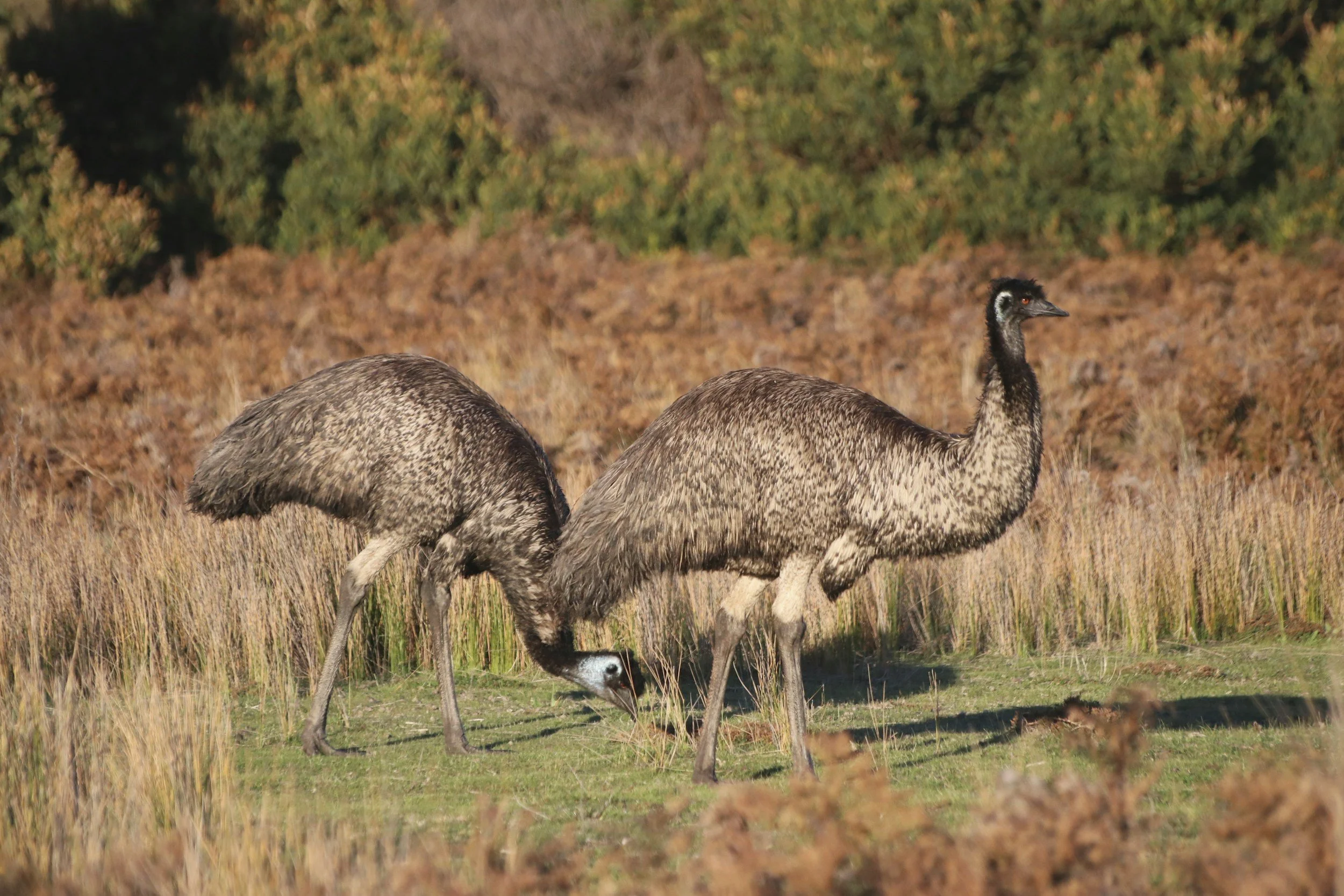
Runaway Emu (fleeing)
Busy Bee (pleasing)
Frightened Fairy Wren (panicking)
Guarded Goanna (withdrawing)FREEZE
Sleeping Frog (dozing)
Daydream Koala (zoning)
Passive Possum (silenced)
Echidna On Strike (refusing)MIXED
Hypervigilant Rock Wallaby (scanning)When you can see the animal, you stop taking the behaviour personally and start knowing what to do.
-
Learn to read the six zones in yourself and others. Know what state you're in. Know what state they're in. Stop guessing.
-
Body-first tools to get back to green before you react, burn out, or make it worse. This isn't self-care. It's a technical skill for high-stress work.
-
Match your response to their state. What works in one zone backfires in another. Learn what actually helps.
-
Use the Five Fingers of Trauma to see what's driving the behaviour. Map history, triggers, and strengths on one page.
How I it works

Introductory session
60-90 minutes live with Dr Kimber. Understand the framework and how it applies to your context.
Self-paced modules
17 online modules with video, practice tools, and resources. Work through at your own pace.
Group supervision
Two 90-minute sessions to apply the framework to real cases from your team.
Ongoing support
When we deliver, it’s not just a finished product—it’s a solution you can trust, backed by real care and effort.
Who is this for
Anyone working on the frontline with people in distress. If your work involves complexity, unpredictability, and high stakes, this is the technical skill you weren't taught in training.
-
GPs, nurses, psychologists, counsellors, allied health. For when the standard clinical approach isn't landing.
-
Teachers, school counsellors, AIEOs. For the kids who can't regulate in the classroom.
-
Youth workers, family services, residential care, justice. For the complex cases where nothing else has worked.


Introductory Lecture live or via Zoom
Self directed online learning
Group case discussion
Three training components
We will explore pricing for an iindividual component or training packages.
Let’s clarify your training needs
Book a call and we can discuss your contect and training preferences.